
—Blog
Airbnb Damage Claim Evidence: Build Your File
 PreArrive
·
·
10 min read
PreArrive
·
·
10 min read
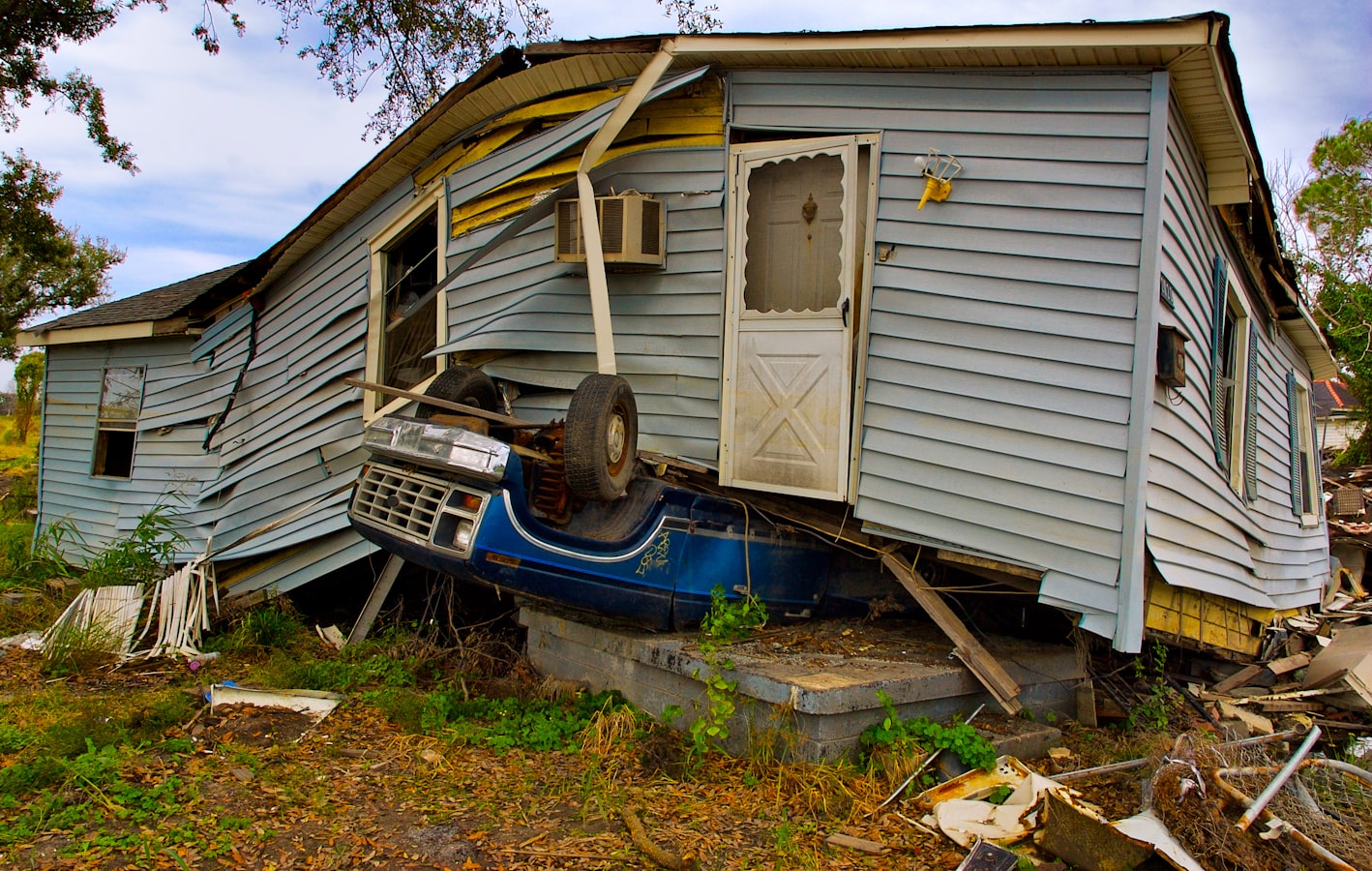
Airbnb Damage Claim Evidence: Build Your File Before Check-In
Most hosts think the work of a damage claim starts after the guest leaves. You find the burn on the counter, the missing towels, the broken chair. Then you scramble to prove it. You take photos, dig through messages, and hope the timestamps line up.
By then, you are already behind.
The strongest airbnb damage claim evidence is not built after checkout. It is built before the guest ever walks through the door. The evidence that decides a dispute is often set in place days earlier: the condition of the property, the rules the guest agreed to, and the timestamps that tie it all together. This article walks through the exact pre-arrival evidence stack that makes a claim harder to dismiss.
Why Pre-Arrival Documentation Is the Foundation of Any Damage Claim
When you file a damage claim, you are making one basic argument: the property was in one condition when the guest arrived, and a worse condition when they left. To win that argument, you need a clean picture of the starting point.
Most hosts skip the starting point. They have plenty of after photos and no before photos. So when a guest says "that stain was already there," there is nothing to push back with. The claim turns into your word against theirs, and that is the kind of case that gets denied.
Pre-arrival documentation flips the burden. When you can show the condition of the room before the guest checked in, the guest cannot claim the damage was pre-existing. When you can show the guest signed off on your rules before arrival, they cannot claim they never knew. Every piece of pre-arrival evidence closes a door the guest might otherwise walk through.
This matters most when a claim gets reviewed. A reviewer is not in the room with you. They only see what you can document. A file with a clear before-and-after, plus a signed acknowledgment, reads very differently than a file with three blurry photos and a frustrated message. None of this guarantees a payout. But it removes the easy reasons to say no.
If you want to see how these gaps get exposed, our piece on why AirCover claims get denied breaks down the most common failure points. Almost all of them trace back to weak or missing pre-arrival records.
Step 1: Build a Timestamped Pre-Arrival Property Condition Record
Your property condition record is the before half of the before-and-after. Build it during turnover, right after your cleaner finishes and before the next guest arrives. That timing is the whole point. It proves the state of the property at the moment the guest took over.
Here is what a solid condition record includes:
- Room-by-room photos. Shoot every room, not just the pretty ones. Include the surfaces that get damaged most: countertops, tables, sofas, mattresses, floors, and walls.
- Close-ups of anything already worn. If a wall has a scuff or the coffee table has a ring, photograph it now. This protects you from over-claiming and protects the guest from being blamed for old wear. It also makes you look honest when a reviewer sees the file.
- High-value items. TVs, appliances, hot tubs, game consoles, art. Get clear shots and note serial numbers where you can.
- A count of consumables and linens. Towel counts, robe counts, and anything else that tends to walk off.
The timestamp is what turns a photo into evidence. A photo with no date is easy to dismiss. A photo tied to a specific time, taken during the documented turnover window, is much harder to argue with.
Keep this record organized by property and by turnover date. When you need it, you should be able to pull the exact set of photos that matches a specific stay. A folder of 4,000 undated images helps no one. For a deeper look at building this half of the file, see our guide on closing the gaps in your damage claim evidence.
Step 2: Get Signed Acknowledgment of Your Rules Before Check-In
A property condition record proves what the space looked like. A signed acknowledgment proves the guest knew the rules. You need both.
Here is the problem most hosts run into. Your house rules live in the listing, buried under photos and amenity lists. You have no way to show the guest ever read them. When a guest smokes indoors or brings ten people to a four-person rental, they can honestly say "I didn't see that." And you cannot prove otherwise.
A signed acknowledgment fixes that. Before check-in, the guest reviews your rules and signs to say they saw them and agreed. That signature, tied to a timestamp, becomes part of your airbnb damage claim evidence file. It closes the "I never knew" defense.
This is the gap PreArrive was built to fill. Guests review and sign your house rules before check-in, and PreArrive produces a timestamped evidence certificate documenting what they agreed to and when. It is not a contract and it is not identity verification. It is a record that strengthens your paper trail. You can see how the sign-then-send flow works if you want the mechanics.
One detail worth getting right: sequence. Ask for the signature before you hand over the access code, not after. A guest who is already inside has no reason to sign. We cover why in sign first, then send the code. And if you are still trying to actually get guests to complete this step, our walkthrough on getting guests to sign house rules before check-in has the practical playbook.
Step 3: Document the Specific Rules Most Likely to Trigger a Dispute
Not every rule ends up in a claim. A handful of them cause almost all the trouble. If you are going to spend time making your rules airtight, spend it on these.
Smoking. Indoor smoking causes real damage and expensive cleaning. Your acknowledgment should state the no-smoking rule and the fee for breaking it, in plain numbers. Vague rules are hard to enforce. See how to set and state an Airbnb smoking fee for the wording that holds up.
Extra guests and parties. Over-occupancy strains the property and raises the odds of damage. State the maximum guest count and what happens if it is exceeded. Our extra guest fee guide covers how to make that number stick.
Pets. If pets cost extra or are not allowed, say so clearly and name the fee.
Anything with a dollar amount attached. If breaking a rule triggers a charge, the guest should have agreed to that specific amount before arrival. A fee the guest never saw is a fee that falls apart in review. Our piece on itemizing STR fees that hold up shows how to structure this so it survives a dispute.
The point is not to pile on rules. Fewer, clearer rules that guests actually read beat a long wall of fine print. Our guide on short term rental rules guests actually read makes the case for keeping it tight. And if you need real language to start from, the Airbnb house rules template that holds up and our additional rules examples give you tested wording.
One caveat. Whether a specific fee or rule is enforceable depends on your location and situation. This is not legal advice. If you have real questions about enforceability, talk to a local attorney.
Step 4: Assemble Your Full Evidence File Before You Need It
The mistake here is treating each piece as separate. The condition photos sit in one place, the signed rules in another, the guest messages in a third. When a claim comes up, you spend an afternoon hunting for everything and hoping it lines up.
Build the file before you need it. For each stay, you should be able to pull one clean set that includes:
- The timestamped pre-arrival condition record for that property and turnover.
- The guest's signed acknowledgment of your rules, with its timestamp.
- Your after photos, taken at checkout, matched to the same rooms and surfaces.
- The relevant guest messages, in order.
The value of a timestamp comes from whether it can be trusted. A date you typed into a filename can be changed. A record that shows signs of tampering gets picked apart. This is why the concept of tamper-evidence matters, and it is worth understanding what tamper-evident actually means before you rely on your own records in a dispute.
Assemble the file the same way every time. A consistent format is easier to submit and easier for a reviewer to follow. When your evidence tells a clear story in order, the reviewer does not have to guess. And a story they do not have to guess at is a story they are less likely to reject.
What a Complete Pre-Arrival Claim File Looks Like
Here is the full stack, start to finish, for a single stay.
Before the guest arrives:
- Cleaner finishes turnover. You capture the room-by-room condition record, including close-ups of existing wear and shots of high-value items. Timestamped.
- The guest reviews and signs your house rules. The signed acknowledgment is timestamped and stored with the stay. You send the access code after the signature, not before.
During and after the stay:
- If something goes wrong, you note it as it happens instead of waiting for checkout.
- At checkout, you capture after photos of the same rooms and surfaces you documented before arrival.
- You pull the matching guest messages.
When you file:
- You assemble the before record, the signed acknowledgment, the after photos, and the messages into one file, in order.
That is the difference between a claim that reads as a guess and a claim that reads as a record. The guest agreed to the rules before arrival. The property was documented before they took over. The damage is shown against a clear starting point. Each piece supports the next.
None of this promises a payout. AirCover reviews, deposit disputes, and small-claims outcomes depend on facts and factors outside your control. What solid airbnb damage claim evidence does is remove the easy reasons to dismiss your claim. It shifts the case from your word against the guest's to a documented record against a denial.
If a guest has already broken a rule and you are deciding what to do next, our guide on what to do when a guest breaks your house rules walks through the steps. And if you are heading toward a deposit fight, how Airbnb security deposit disputes play out is worth a read before you file.
The work that wins a claim is quiet and boring. It happens during turnover and before check-in, long before anything goes wrong. Build the file first. You will be glad it is already there the day you need it.
PreArrive collects the signed acknowledgment before check-in — the half of the file most denied claims are missing.