—Blog
Airbnb Smoking Fee: Set It, State It, and Collect It
 PreArrive
·
·
7 min read
PreArrive
·
·
7 min read
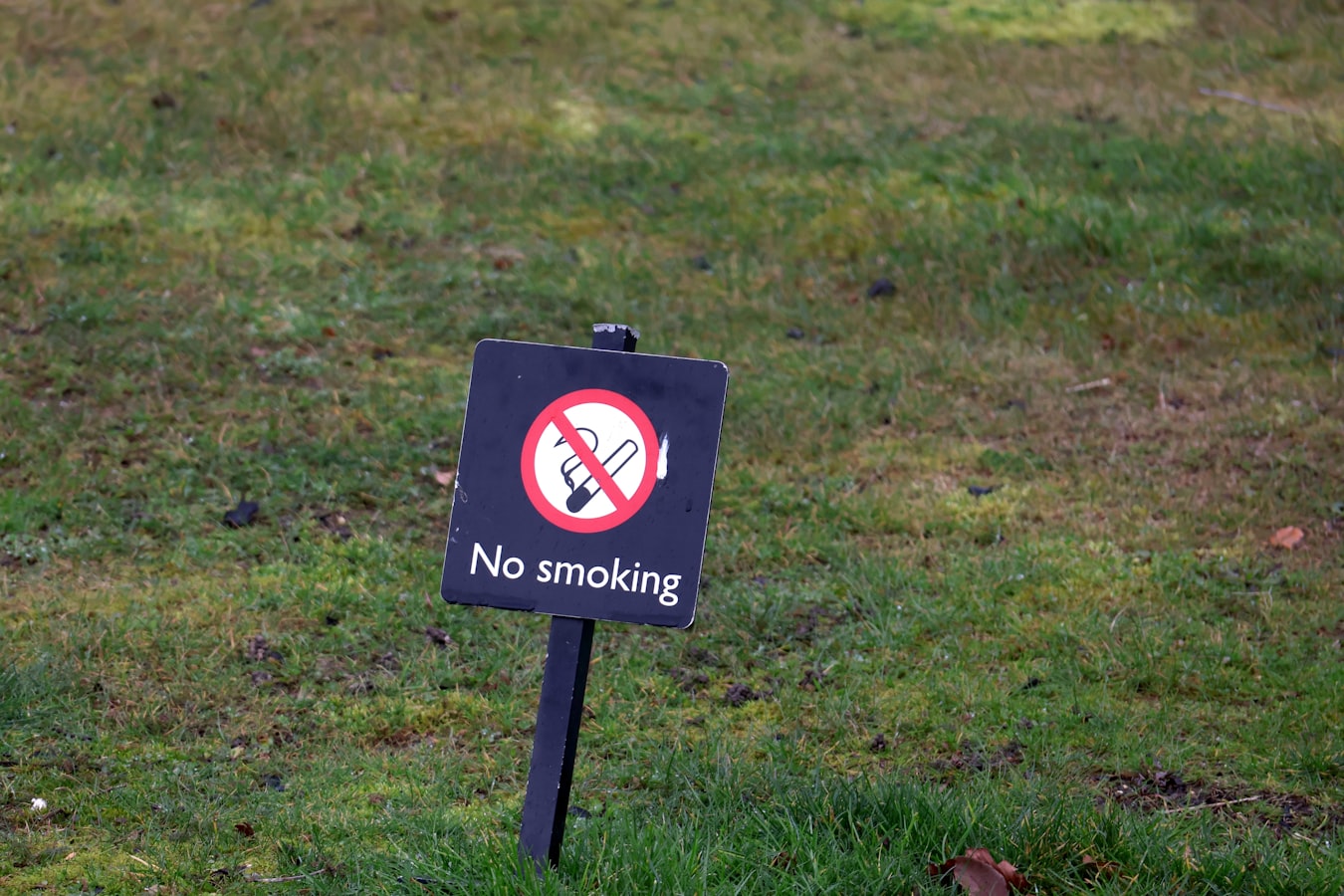
Airbnb Smoking Fee: Set It, State It, and Build the Paper Trail That Gets It Paid
You can charge whatever you want for a smoking violation. That number means nothing if you cannot prove the guest knew about it before check-in.
This guide walks through how to set a defensible Airbnb smoking fee, how to word the rule so it holds up, and how to build the documentation that separates a paid claim from a denied one.
What to Charge for an Airbnb Smoking Fee (and How to Justify the Number)
A smoking fee needs to reflect real costs, not frustration. Airbnb and Vrbo support teams respond to itemized, receipt-backed numbers. Round figures with no backup get questioned or cut.
Common costs that justify a smoking fee:
- Professional odor remediation. Ozone treatment or enzyme cleaning for a single-room rental typically runs $150 to $400. A whole-home treatment can run higher. Get a quote from a local vendor and save it.
- Linen and soft furnishing replacement. Smoke smell embeds in fabric. If you need to replace pillows, throws, or curtains, document the purchase.
- Lost revenue. If the unit needs extra time out of service for treatment, that is a calculable number. Next booking revenue minus the cleaning cost window.
- Air quality testing. Some hosts use a third-party test after a suspected smoking incident. The invoice is evidence.
A fee in the $250 to $500 range is defensible for most properties if you can itemize it. A $1,000 fee is defensible too, but only if the receipts match. Set the number based on your actual market costs, not on what you hope will deter guests.
For guidance on how to structure and itemize other fees so they hold up the same way, read itemizing STR fees that hold up.
How to Word Your No-Smoking Rule and Fee in Your Listing
Vague language loses disputes. Specific language wins them. Your rule needs to do three things: state what is prohibited, state where it is prohibited, and state the exact consequence.
A workable template:
No smoking of any kind (cigarettes, cigars, cannabis, vaping, or any other substance) inside the property or within 15 feet of any door or window. An Airbnb smoking fee of $[X] will be charged if evidence of indoor smoking is found.
A few notes on the language:
- "Any kind" closes the loophole of guests arguing that vaping is not smoking.
- The outdoor buffer distance matters if smoke drifting inside is a real risk for your unit.
- Stating the fee amount in the rule itself removes the surprise objection later.
Put this rule in your Airbnb listing under Additional Rules. Put it in your house rules document. Put it in your pre-arrival message. Repetition is not redundancy here. It is documentation that the rule existed and was visible.
For more rule-wording examples across common violation types, see Airbnb Additional Rules Examples That Hold Up.
The Documentation Gap That Kills Most Smoking Fee Claims
Here is the most common reason smoking fee claims fail: the host has a rule, they have photos of an ashtray, they have a smell, and they still get denied.
The denial language usually sounds like this: "We cannot confirm the guest was made aware of this policy."
That one sentence ends the claim. It does not matter how clear your listing page is. Airbnb support is not auditing your listing at 10 p.m. on a dispute call. They are looking for evidence the guest specifically acknowledged the rule.
A screenshot of your listing rules is not the same as proof the guest read and agreed to them before check-in. Most hosts have no documentation of that moment at all.
This is the gap. The fee is only half the battle. The other half is proving the guest knew the rule and the fee before they ever walked through the door.
For a broader look at why claims fall apart and what to do about it, the guide on AirCover Claim Denied: Why It Happens and How to Fight Back covers the full pattern.
How to Collect Evidence After a Guest Smokes
When you find evidence of smoking, move methodically. Every step you take in the next hour affects what you can submit.
Photograph everything before you touch it. Ash, burn marks, cigarette butts, empty vape cartridges, ash residue on surfaces. Photograph the location in context, not just close-up. A close-up of an ashtray does not tell the story as well as a photo showing the ashtray on the nightstand next to the bed.
Document the smell on video. Walk through the property on camera and describe what you are smelling and where. This is not scientific, but it creates a timestamped record of your observations.
Get a professional assessment quickly. If you can have a remediation company visit before you rebook, their written assessment or invoice is strong supporting evidence. An email from a cleaning service noting the odor is worth keeping.
Save all reservation records. Confirmation, messages between you and the guest, check-in and check-out timestamps. These connect the guest to the stay.
Do not rebook until you have everything documented. Cleaning the unit before you have photos and professional documentation removes the evidence you need.
Once you have the documentation, review the full process for submitting it in How to Charge Airbnb Guests for Damages (and Actually Win).
How to File the Claim and What to Expect
Airbnb damage claims go through the Resolution Center. Vrbo has a similar process through their claims workflow. The mechanics shift occasionally, so check the current help documentation on each platform for exact steps. What does not change is what a strong submission looks like.
A strong claim includes:
- The specific rule that was violated, word for word
- Your documented evidence (photos, video, receipts, professional assessments)
- A clear, itemized list of costs with dollar amounts that match receipts
- Proof the guest was informed of the rule and fee before check-in
That last item is where most hosts run short. They submit everything except that. And without it, the guest only has to say "I didn't know" for the claim to stall.
Set realistic expectations. A well-documented claim with signed acknowledgment improves your position, but no documentation guarantees a specific outcome. Platform support decisions vary. If the platform does not resolve the dispute in your favor, a timestamped acknowledgment record is still useful if you pursue the matter further.
What a Signed Acknowledgment Does for Your Smoking Fee Dispute
A signed acknowledgment is a record that a specific guest, for a specific stay, reviewed your rules including your Airbnb smoking fee and confirmed they understood them before check-in.
This is different from your listing page. It is different from a message in the booking thread. It is a dedicated step in the pre-arrival process where the guest actively confirms the rules. When that step produces a timestamped record, you have something to point to in a dispute.
PreArrive is built for exactly this workflow. Before check-in, guests review your house rules, including the smoking fee language, and sign an acknowledgment. PreArrive generates a timestamped evidence certificate tied to that stay. If a smoking violation happens and you file a claim, you have documentation that the guest saw and acknowledged the specific rule and fee before they arrived.
This does not turn your house rules into a legally binding contract, and it does not guarantee any particular outcome in a dispute. What it does is close the documentation gap that gets most smoking fee claims denied.
If you want to understand how to work signed acknowledgment into your check-in process, Get Guests to Sign House Rules Before Check-In walks through the workflow step by step.
The Airbnb smoking fee is a reasonable, defensible charge. The rule is the foundation. The evidence you collect after a violation is critical. But none of it matters as much as being able to show, clearly, that the guest knew the rule before the stay began. That is the part most hosts skip. It is also the part that determines whether the claim pays out or gets closed.
PreArrive collects the signed acknowledgment before check-in — the half of the file most denied claims are missing.