
—Blog
Airbnb Guest Refuses to Pay for Damages
 PreArrive
·
·
5 min read
PreArrive
·
·
5 min read
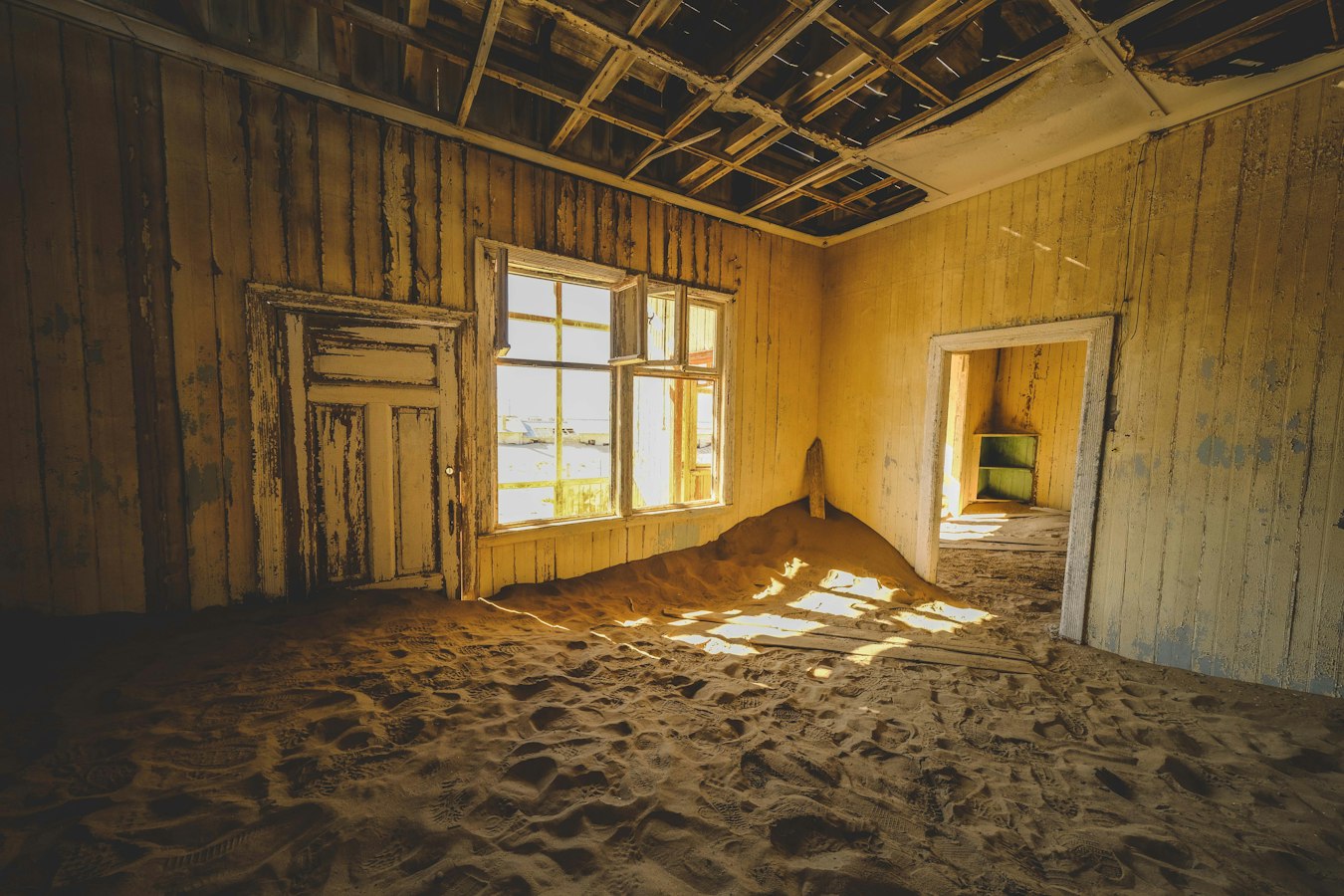
Airbnb Guest Refuses to Pay for Damages: A Step-by-Step Host Guide
A guest has caused damage. You've asked for payment. They've said no. Now what?
This guide walks through each step in order, from reviewing what you already have to deciding whether escalation is worth it. The honest thread running through every step: the strength of your paper trail decides how far you can go.
First, Audit Your Evidence Before You Do Anything Else
Before you send another message or open a claim, stop and look at what you can actually prove.
Pull together:
- Pre-stay photos with timestamps, taken room by room before check-in
- Post-stay photos taken immediately after checkout, same angles
- Repair or replacement invoices with line-item descriptions (not just totals)
- Any written communication where the guest acknowledged the damage or the rules
Read the guide on building a complete damage claim evidence file before you do anything else. A weak file now means a weaker position at every later step.
If you have all four categories above, you are in a reasonable position. If you are missing pre-stay photos or itemized invoices, note that now. It will matter.
Send a Clear, Written Request Through Airbnb Messaging
Keep the first contact simple and factual. Stay in the Airbnb messaging thread. That keeps the record inside the platform where it counts.
State the damage clearly. Attach photos. Name the specific amount you are requesting. Give the guest a short, reasonable window to respond, 48 to 72 hours is common.
Do not threaten, exaggerate, or make claims you cannot document. A calm, factual message is more useful than an emotional one, both to the guest and to any Airbnb agent who reads the thread later.
The vacation rental guest communication log guide has a useful breakdown of what to keep and how to format a request so it reads clearly if a third party reviews it.
If the guest declines or ignores you, do not keep messaging. One clear request is enough. Move to the next step.
File Through the Airbnb Resolution Center
The Airbnb Resolution Center is the formal channel for requesting payment from a guest for damages. You must file within 14 days of checkout or before the next guest checks in, whichever comes first. Do not let that window close.
When you file, upload everything: timestamped photos, invoices, and any relevant message thread excerpts. The Airbnb Resolution Center host filing guide walks through the exact process and what reviewers look for.
Airbnb will ask the guest to pay. If the guest declines, Airbnb may step in to review the claim. That review is where your documentation either holds up or doesn't.
Keep your description factual and short. Reviewers read many claims. A clear, organized file is easier to approve than a long narrative.
Escalate to AirCover If the Guest Still Won't Pay
If the guest declines the Resolution Center request and Airbnb's initial review does not resolve it in your favor, you can escalate to AirCover for Hosts.
AirCover is not a guaranteed payout. It is a review process, and the outcome depends heavily on what you submitted. Read the full breakdown of AirCover for Hosts coverage, gaps, and what it does not cover before you file, so you know what to expect.
If your claim has already been denied, the guide on AirCover claim denied: why it happens and how to fight back covers the appeal process and what additional documentation can help.
Document your escalation attempts in writing. If you call Airbnb support, follow up with a message in the thread summarizing what was discussed.
When the Paper Trail Is Thin, Your Options Shrink
If your documentation is incomplete, none of the channels above work well. Airbnb reviewers cannot approve what they cannot verify. A guest's denial carries equal weight to your claim if you have no corroborating evidence.
At this point, some hosts consider small claims court. That is a real option in many jurisdictions, but it requires the same documentation that Airbnb would need: photos, invoices, and proof that the guest was informed of the rules and agreed to them. This article is not legal advice. If you are considering court, talk to a local attorney.
The harder lesson here is forward-looking. Without a signed acknowledgment of the rules, there is nothing to show that the guest ever saw or agreed to your terms.
What to Put in Place Before the Next Guest Arrives
The guest who refuses to pay is already gone. The next guest is the one you can protect yourself against.
Start with a consistent pre-stay photo routine. Take the same angles every time, right before check-in, and store them with timestamps. Pair that with a vacation rental turnover checklist so nothing gets missed between stays.
Then close the documentation gap that most hosts have: no proof that the guest ever read or acknowledged the house rules. PreArrive sends guests the house rules before check-in and collects a timestamped acknowledgment. If a dispute comes up later, you have a record showing the guest reviewed and confirmed the rules before they received the door code. That record goes into the claim file alongside your photos and invoices.
Make sure your rules are specific. Vague rules are hard to enforce. The guide on getting guests to sign house rules before check-in covers what to include and how to word rules so they hold up when reviewed.
A complete file before the stay starts is the only thing that changes the outcome when a guest refuses to pay after it ends.
PreArrive collects the signed acknowledgment before check-in — the half of the file most denied claims are missing.